
On World Diabetes Day, November 14, the German Diabetes Center (DDZ) is highlighting the importance of prevention and early diagnosis in type 2 diabetes. The number of people with diabetes in Germany is growing, and an estimated one in five of them is unaware of their condition. Younger people are increasingly affected as well. The DDZ explains how a test or check-up can help people assess their own risk.
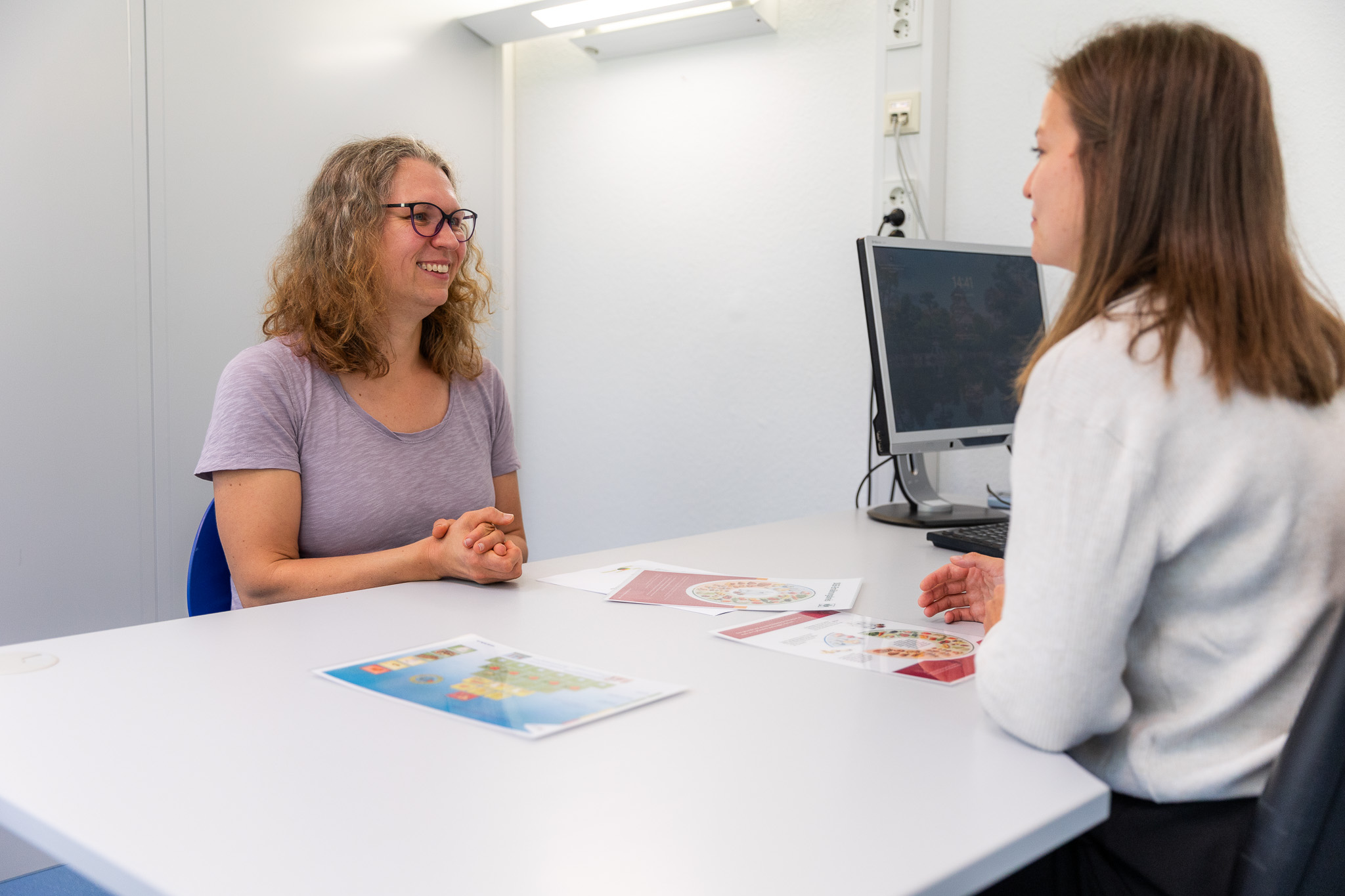
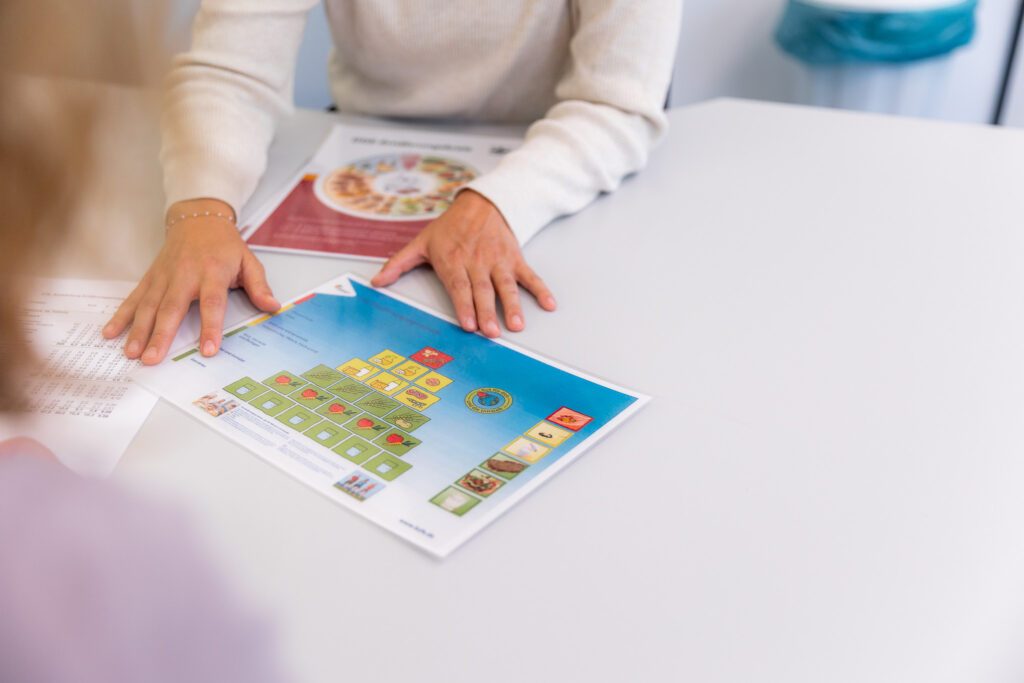
No pain, no clear warning signs, and yet something is wrong. Type 2 diabetes often develops gradually and can go unnoticed for a long time. That was the case for Sophie Wittlinger. Now 44, she had been overweight for many years when she was diagnosed with type 2 diabetes and fatty liver disease. With dietary counseling as part of a study at the DDZ, she changed her eating habits. “Today I make sure to eat only as much as I actually need. And I’ve broken the habit of snacking between meals and after dinner,” says Wittlinger. A mix of strength and endurance training is also a fixed part of her daily routine. The result: improved blood glucose levels and less fat in the liver, without needing medication. “Looking back, I should have gone to the doctor sooner and had my levels checked,” she says.
Wittlinger is not an isolated case: by 2040, as many as 12.3 million people in Germany could be living with type 2 diabetes, roughly 2.8 million more than today. This is shown by the DDZ’s Diabetes Clock in Düsseldorf. While the overall rate of new cases of type 2 diabetes is declining slightly, depending on the study, the number of people affected is rising considerably because the population is aging and people with diabetes are living longer thanks to better treatment options. Young adults are an exception to the decline in new cases: a DDZ analysis based on data from around 63 million people with statutory health insurance shows an opposite trend for this group. Among 20- to 39-year-olds, the rate of new type 2 diabetes diagnoses rose by 2.9 percent per year among men and 2.4 percent per year among women between 2014 and 2019.
Type 2 Diabetes Is More Than Elevated Blood Glucose
“The fact that type 2 diabetes is increasingly affecting younger people is a serious warning sign,” says Prof. Michael Roden, Scientific Director and Spokesperson of the Board of the DDZ and Director of the Department of Endocrinology and Diabetology at Düsseldorf University Hospital. “Because an early onset is associated with a greater likelihood of complications, it is important to know your risk factors early and take countermeasures,” the diabetologist emphasizes on the occasion of World Diabetes Day on November 14.
In the public perception, diabetes is often reduced to elevated blood glucose. In reality, the disease varies greatly from person to person, each case carrying its own risks and treatment options. Many of those affected already have complications at the time of diagnosis.
DDZ research shows how diverse the risks are: people with type 2 diabetes have a significantly higher risk of stroke or other cardiovascular disease. The risk of nerve damage (neuropathy) also increases even with only slightly elevated blood glucose levels. In addition, one in three people with type 2 diabetes develops fatty liver disease over the course of their lives. “Those who know early on that their blood glucose levels are elevated can take action and protect themselves from damage that is sometimes irreversible,” emphasizes Michael Roden.
Don’t Leave a Diabetes Diagnosis to Chance
He recommends knowing your own risk of type 2 diabetes. The German Diabetes Risk Test on the information platform diabinfo.de provides an initial assessment in just a few minutes. If the test indicates an increased risk, Roden advises proactively speaking to the general practitioner. “I recommend taking advantage of the health check-up at the general practitioner and having your blood glucose, blood pressure, and blood lipid levels specifically measured.”
Photos whose image rights belong to the DDZ may be used for editorial purposes with the credit: “Deutsches Diabetes-Zentrum”. The reproduction is royalty-free. Stock photos may not be reused for licensing reasons. We would appreciate it if you could send us a proof copy or let us know where the material will be published.
Contact person at the DDZ for further questions is: